Download Welcome to Fredbear's
Version 1.1.0 — Available as a free download for Windows PC (359 MB).
What Makes Welcome to Fredbear's Special
Most FNAF fan games cast you as a hapless night guard or curious explorer. Welcome to Fredbear's takes a different approach entirely — you are William Afton, the man behind everything. Returning to a long-abandoned storage facility to retrieve the Springlock suits he shipped away years ago, you quickly discover that the animatronics inside aren't exactly dormant.
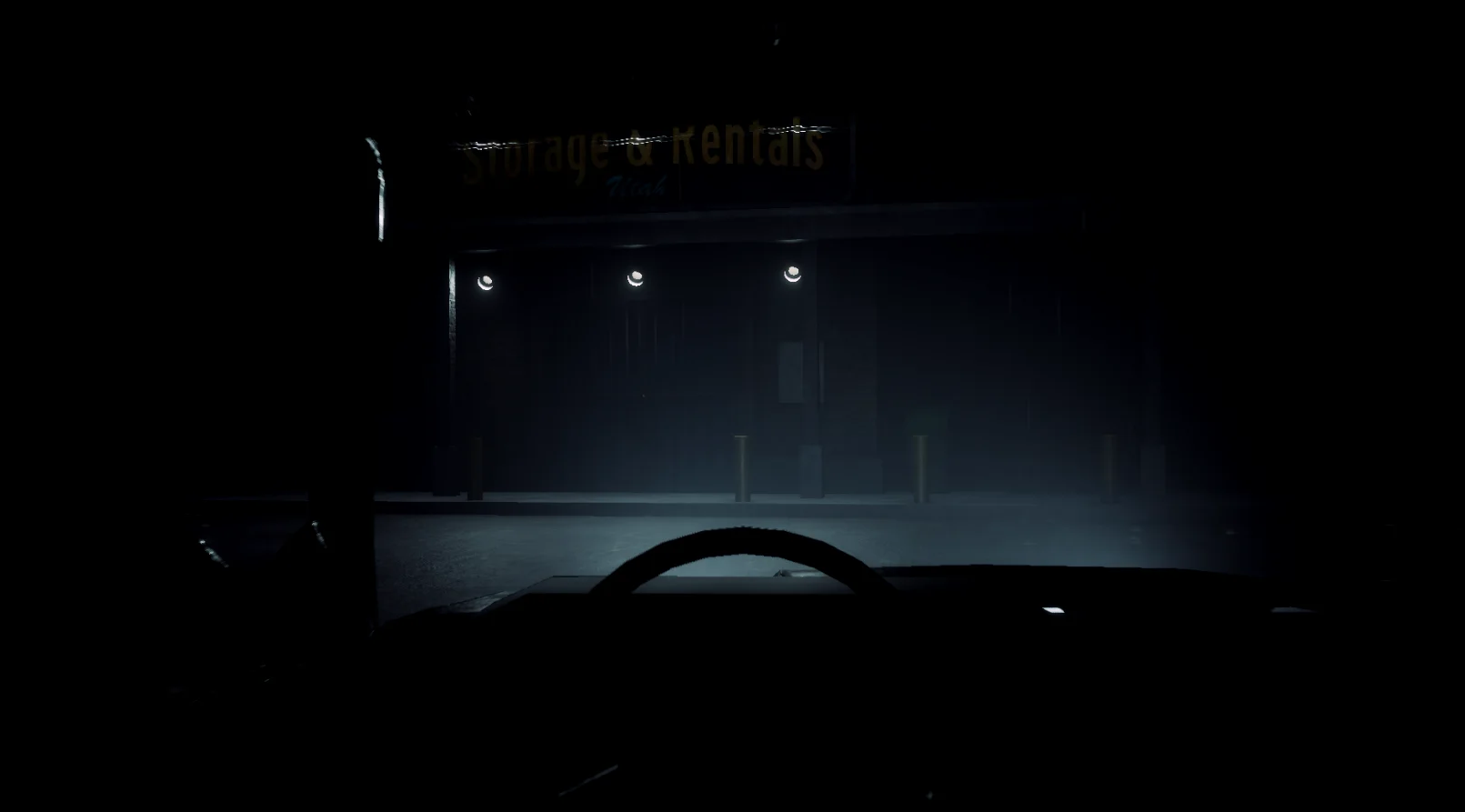
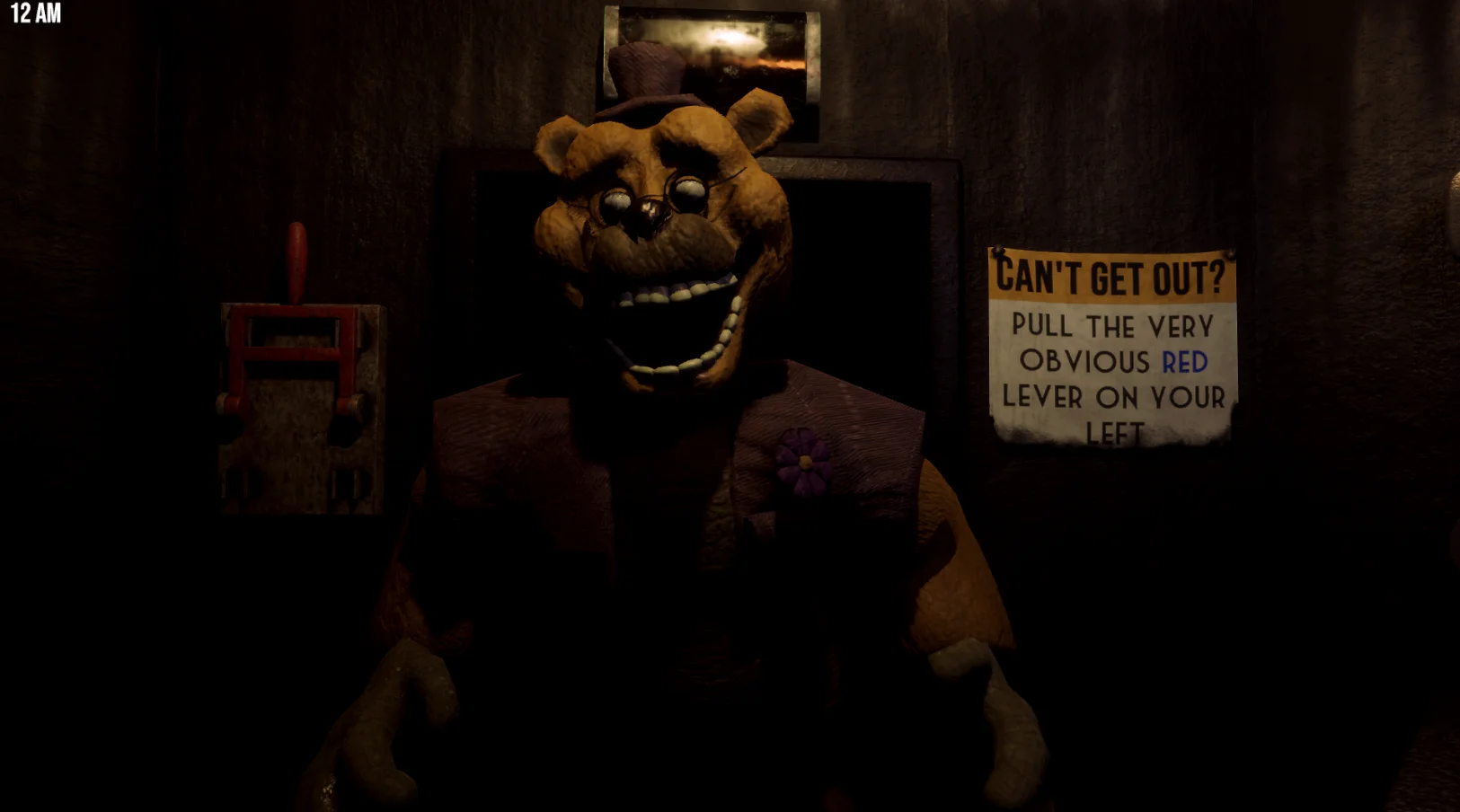
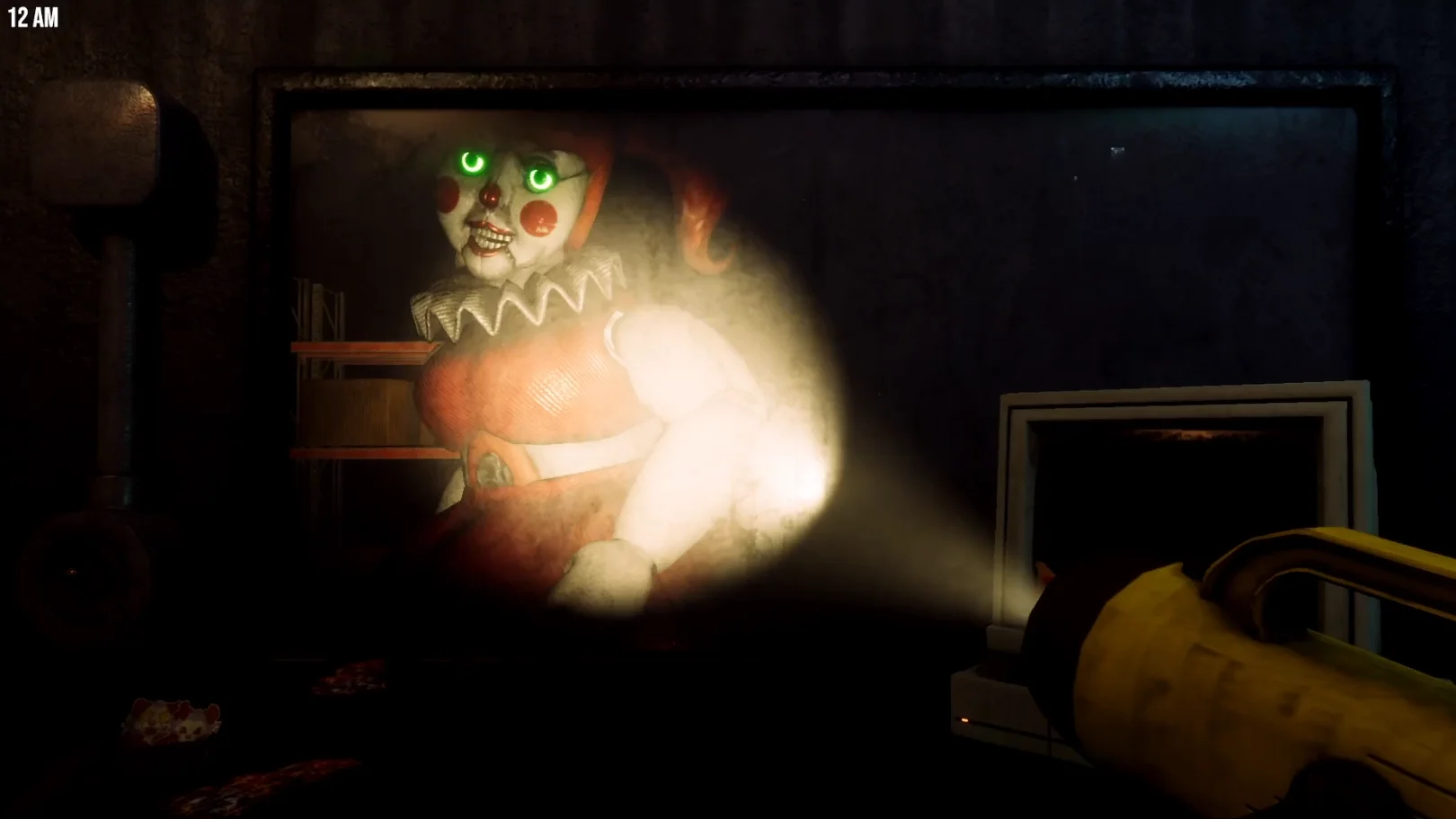
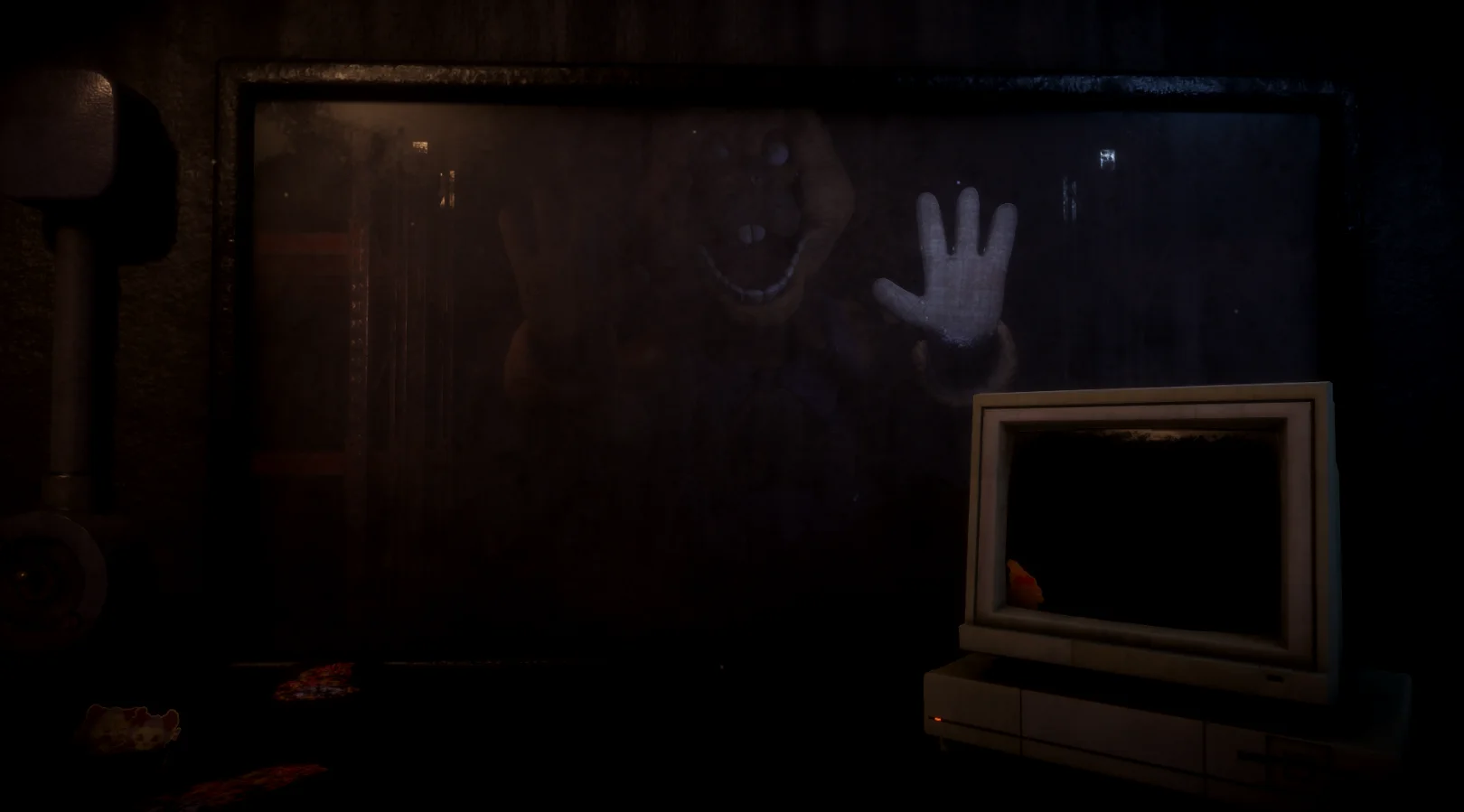
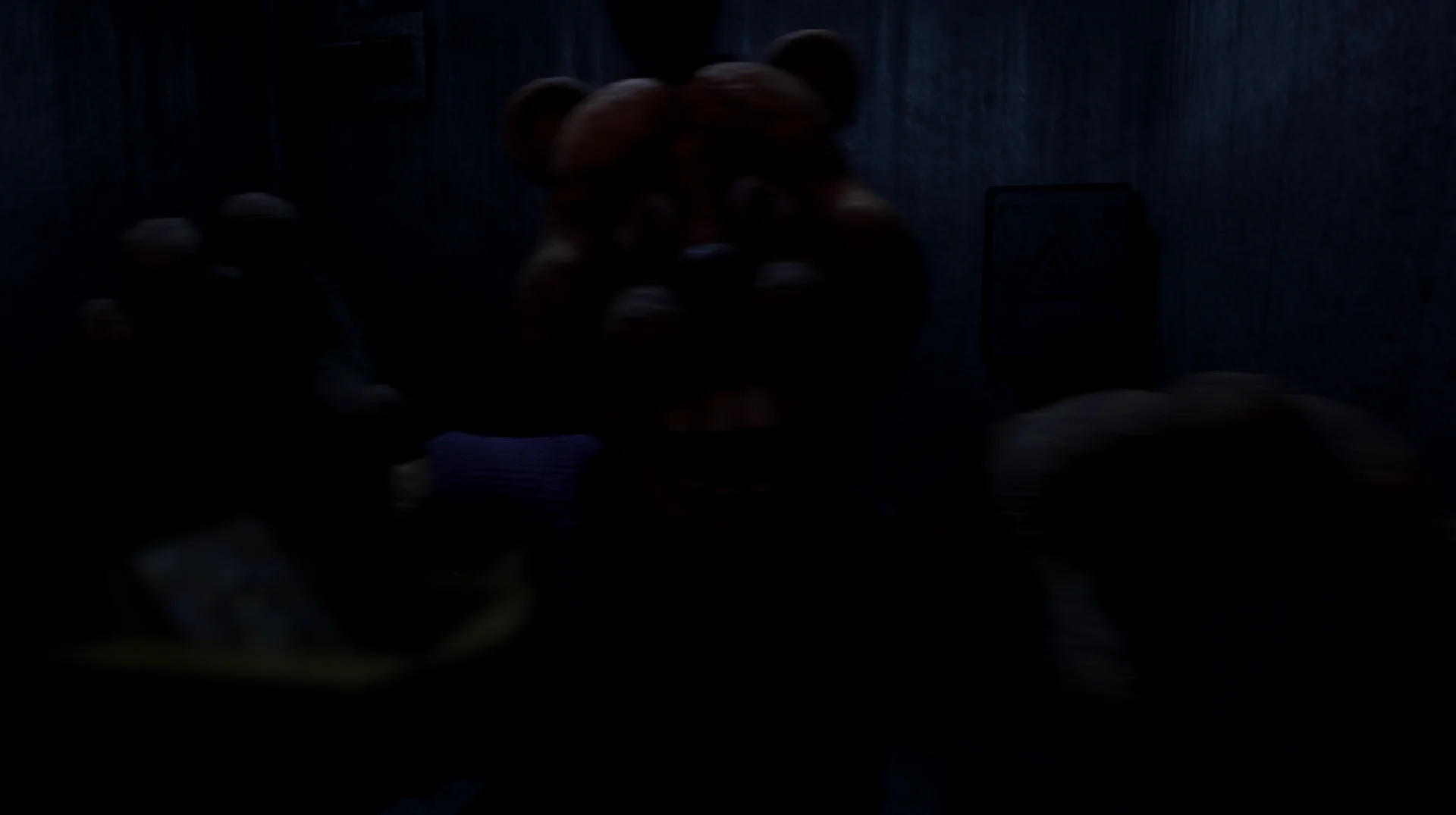
What immediately stands out is the production quality. The 3D models are detailed and expressive, the animations are fluid, and the environments feel genuinely atmospheric. From the foggy exterior of the Storage & Rentals building to the cramped office lit only by a CRT monitor, every scene feels carefully crafted. Circus Baby appears with a striking original redesign that caught many players off guard, and the Springlock suits have a menacing weight to them that sells the danger they represent.
The game also doesn't stick to a single gameplay formula. It opens with a free roam section as you arrive at the facility, explore the front desk, and discover the stored animatronics. Then it transitions into tense office survival phases, punctuated by fuse repair sequences that keep you moving through the building. This variety keeps the pacing fresh throughout the entire night.
Gameplay Breakdown
Welcome to Fredbear's structures its single long night into hours, running from 12 AM to 6 AM. Each hour alternates between two distinct phases that keep you on your toes.
Office Survival
You're stationed in a storage room equipped with a window, a side door, and a CRT monitor. Each animatronic requires a different approach to survive:
- Fredbear: Appears at the door — use your flashlight to drive him back. He's highly sensitive to bright light.
- Spring Bonnie: Lurks in the hallway and gains visibility in lit areas. Flash him before he gets too close.
- Foxy: Approaches from the left with no audio cues, so you need to keep checking that side constantly.
- Circus Baby: Breaks through the window — react quickly to shut her out when she appears.
A red screen event can trigger at any moment, requiring an immediate flashlight response. You can also close the door defensively and must manage ventilation through the monitor by rebooting it when needed. In later hours, multiple animatronics attack simultaneously, demanding split-second decisions.
Fuse Repair Phases
Between each hour, you leave the office to repair a fuse box in another part of the facility. The process involves unscrewing the panel, replacing broken fuses, and screwing everything back together. While you work, animatronics continue stalking you — one approaches from the front (use your lighter to ward it off) while another creeps up from behind. These phases are less intense than the office sections but maintain constant tension.
Story and the Ending
The premise is simple but effective: William Afton shut down his business years ago and stored the Springlock animatronics at a facility called Storage & Rentals in Utah. Seventeen years later, the facility goes bankrupt, and William gets a notice to pick up his property or pay a fine. What seems like a mundane errand becomes a night of survival.
The game opens with a free roam exploration segment where you arrive at the building, find the key at the front desk, and check on the stored animatronics. A log lists which units are functional, and you can spot Fredbear, Bonnie, and Foxy before a sudden QuickTime event throws you into the first office phase. Sharp-eyed players may also notice a Funtime Freddy element early on — a nod to Bondee's Barnyard, another game by the same developer.
The ending delivers a powerful narrative moment. A disfigured character confronts William directly: "William, it's me. You still recognize me? It was you who left me like this. Why didn't you do anything? Standing here 17 years later, all the blame falls on you." The character speaks of having been left "in my own blood, rotting," waiting for William to return. Their identity isn't made fully explicit, but the scene hits hard as a reckoning for Afton's past actions.
What the Community Says
Welcome to Fredbear's has earned strong praise across the FNAF fan game community. Multiple reviewers highlighted the exceptional quality of its 3D models and animations, with one saying the game looks so polished "you can tell the developer made it with a lot of love."
English-speaking reviewers called it "peak FNAF fan game content," actively recommending players try it themselves: "I actually recommend you guys to go check out this game for yourself, it's lowkey like worth playing, I thought it was pretty fun." The consensus praised the animations, gameplay variety, and the impactful ending: "The animations were fire, the gameplay was fun, the ending was cool, this game is just so sick man."
The game also appeared in a top 10 FNAF fan games list, further cementing its reputation as one of the standout releases in the community.
Is Welcome to Fredbear's free?
Yes, Welcome to Fredbear's is completely free to download and play on Windows PC.
Who do you play as in this game?
You play as William Afton, the main antagonist of the Five Nights at Freddy's series. The game explores what happens when he returns to a storage facility where his Springlock animatronics have been sitting for 17 years.
How long is the game?
The game consists of one long night divided into hours (12 AM to 6 AM), alternating between office survival and fuse repair phases. A single playthrough takes roughly 30-60 minutes depending on how quickly you learn the mechanics. There's also a Custom Night mode with modifiers for extra replayability.
Is there a Custom Night?
Yes, the game includes a Custom Night mode with modifiers that let you customize the experience beyond the main story night.
Is this connected to Bondee's Barnyard?
Both games share the same developer (Mitnick's team). There's a subtle connection — a Funtime Freddy element is visible at the start of Welcome to Fredbear's — but the game works as a standalone experience with its own story.